
Ladakh travel guide 2025
Ladakh travel guide: 3 Best Places to visit in Leh & Beyond
Discover the top 3 must visit places in Leh Ladakh, from ancient monasteries to stunning mountain views- your ultimate guide to exploring Ladakh.
Leh Ladakh
often referred to as the "Land of High Passes," is a mesmerizing region in the northernmost part of India.....
Monastereies of Ladakh
The monasteries are not just places of worship they are the soul of the region.....
Mountains Of Ladakh
The mountains are the defining feature of its breathtaking landscape, creating a dramatic and awe-inspiring backdrop.....
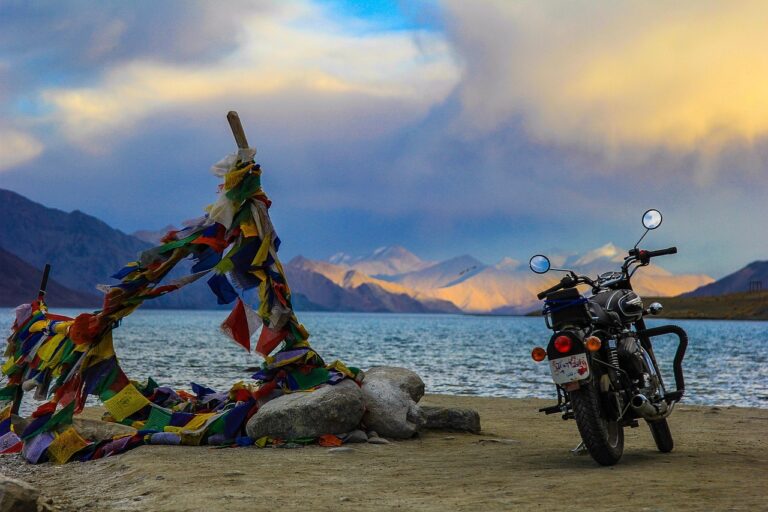
Discover Leh Ladakh and the best places to visit in ladakh in 2025
Leh Ladakh
often referred to as the “Land of High Passes,” is a mesmerizing region in the northernmost part of India that captivates travelers with its dramatic landscapes, spiritual ambiance, and rich cultural heritage. Surrounded by the towering Himalayas and crisscrossed by winding rivers and mountain passes, this high-altitude desert is unlike any other place in the country.
The journey itself is an adventure, offering scenic routes through snow-capped peaks and deep valleys. In Leh, the capital town, visitors can explore ancient monasteries like Thiksey and Hemis, marvel at the architectural beauty of Leh Palace, and wander through bustling local markets filled with handmade crafts and Tibetan souvenirs. Beyond Leh, the vastness of Ladakh opens up to surreal destinations like Pangong Lake, with its ever-changing hues of blue; Nubra Valley, home to sand dunes and double-humped camels; and Tso Moriri, a tranquil high-altitude lake surrounded by untouched wilderness.
The region is also a paradise for trekkers and adventure enthusiasts, offering trails like the Markha Valley trek and opportunities for river rafting, biking, and camping under the stars. Despite its rugged terrain and extreme weather, Leh Ladakh remains a place of warmth, spirituality, and timeless beauty, making it a must-visit for those looking to escape into nature and discover a different pace of life.
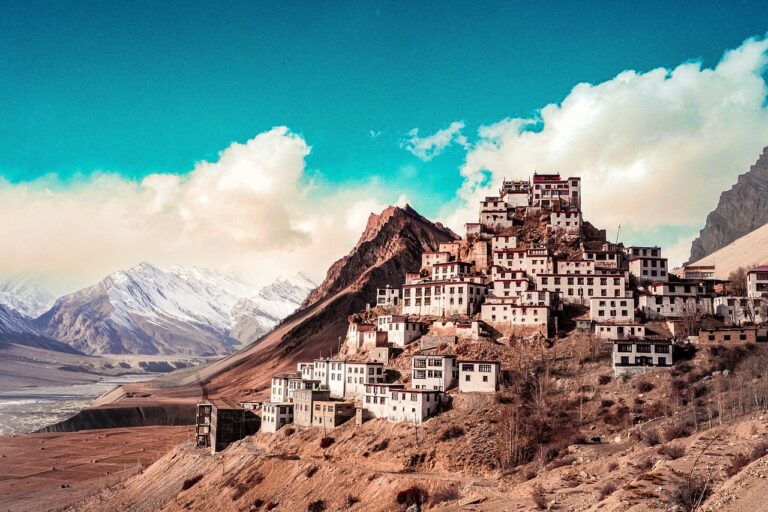
Monasteries
The monasteries are not just places of worship they are the soul of the region, preserving centuries-old traditions, art, and spiritual wisdom. Dotted across the rugged landscapes and perched on dramatic cliffs, these Buddhist monasteries (also known as gompas) offer a serene escape into a world of chanting monks, fluttering prayer flags, and sacred rituals.
Hemis Monastery, the largest and most famous in Ladakh, is known for its annual Hemis Festival, where vibrant masked dances celebrate the victory of good over evil. Thiksey Monastery, resembling the Potala Palace of Lhasa, stands majestically on a hill and houses a 15-meter-high statue of Maitreya Buddha. Diskit Monastery, overlooking the enchanting Nubra Valley, is famous for its colossal Buddha statue and panoramic views. Other significant gompas like Lamayuru, Alchi, Spituk, and Likir are equally rich in murals, scriptures, and monastic culture.
Visiting these monasteries is not just a cultural experience but a spiritual journey that connects travelers with Ladakh’s peaceful essence, offering moments of silence, reflection, and awe amidst the high Himalayas.
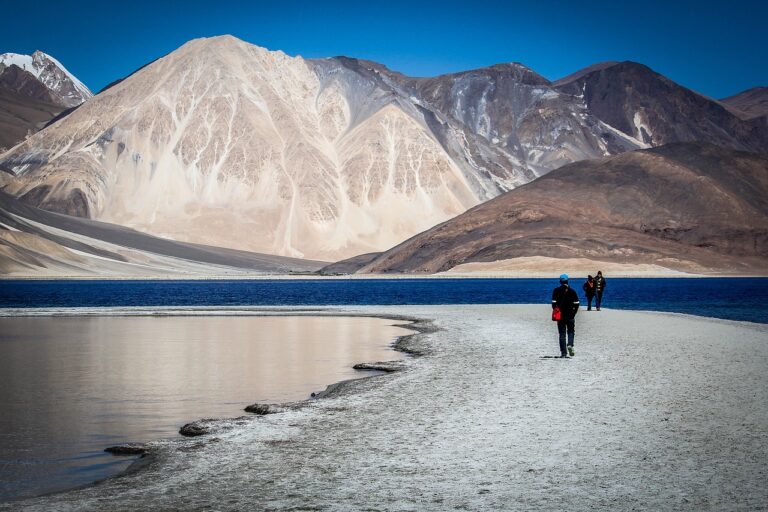
Mountains
The mountains are the defining feature of its breathtaking landscape, creating a dramatic and awe-inspiring backdrop that attracts adventurers, nature lovers, and spiritual seekers from around the world. Towering peaks of the Greater Himalayas, Zanskar, and Karakoram ranges dominate the region, their snow-capped summits standing in stark contrast to the arid valleys and desert plains below. These mountains not only shape the unique topography of Ladakh but also influence its climate, culture, and way of life.
Famous peaks like Stok Kangri, Nun Kun, and Saltoro Kangri challenge seasoned trekkers and mountaineers, while high-altitude passes such as Khardung La and Chang La offer thrilling drives and panoramic views that leave visitors spellbound. The changing hues of the mountains from golden brown to deep purple to snow white depending on the time of day and season, add to Ladakh’s mystical charm.
These ancient rock formations have witnessed centuries of history and spiritual practice, standing as silent guardians of monasteries, remote villages, and sacred trails. In Ladakh, the mountains are more than just geographical features they are powerful symbols of endurance, peace, and the raw beauty of nature at its most majestic.
Top 5 Offbeat Things to Do in Ladakh
Trailtrove
Top 5 things
Offbeat things you can't miss
Top 5 things to do in Ladakh
1. Stay in a Monastery with Monks
For a truly transformative experience, spend a few days living in a monastery like Phuktal or Lamayuru, tucked away in the peaceful folds of Ladakh’s mountains.
Here, life moves slowly, guided by the rhythm of chants and prayer bells. You’ll wake up early to the soulful sound of Buddhist prayers echoing through the valley, share simple vegetarian meals with the monks, and learn the values of mindfulness, compassion, and silence. It’s not just a stay—it’s a rare glimpse into a life of devotion and inner peace that’s hard to find in the modern world.
2. Explore the Border Village of Turtuk
Turtuk, one of India’s northernmost villages, lies quietly along the Shyok River near the Line of Control with Pakistan. Once a part of Baltistan, this village feels like a different world—culturally rich, historically significant, and visually stunning. With its apricot orchards, stone houses, and warm Balti hospitality, Turtuk offers a rare chance to explore a lesser-known side of Ladakh.
Interacting with the locals, visiting centuries-old mosques, and learning about their unique traditions make this journey an unforgettable cultural immersion.
3. Volunteer at SECMOL
If you want your travel to create impact, consider volunteering at SECMOL (Students’ Educational and Cultural Movement of Ladakh), founded by the innovative educationist Sonam Wangchuk. Located near Leh, SECMOL is more than a school—it’s a movement toward sustainable living and alternative education.
As a volunteer, you can help teach English or science, assist in farming, or take part in workshops while living in an eco-friendly campus powered by solar energy. It’s an enriching way to connect with the bright, curious minds of Ladakhi youth and contribute meaningfully to their future.
4. Visit Hanle – The Stargazer’s Paradise
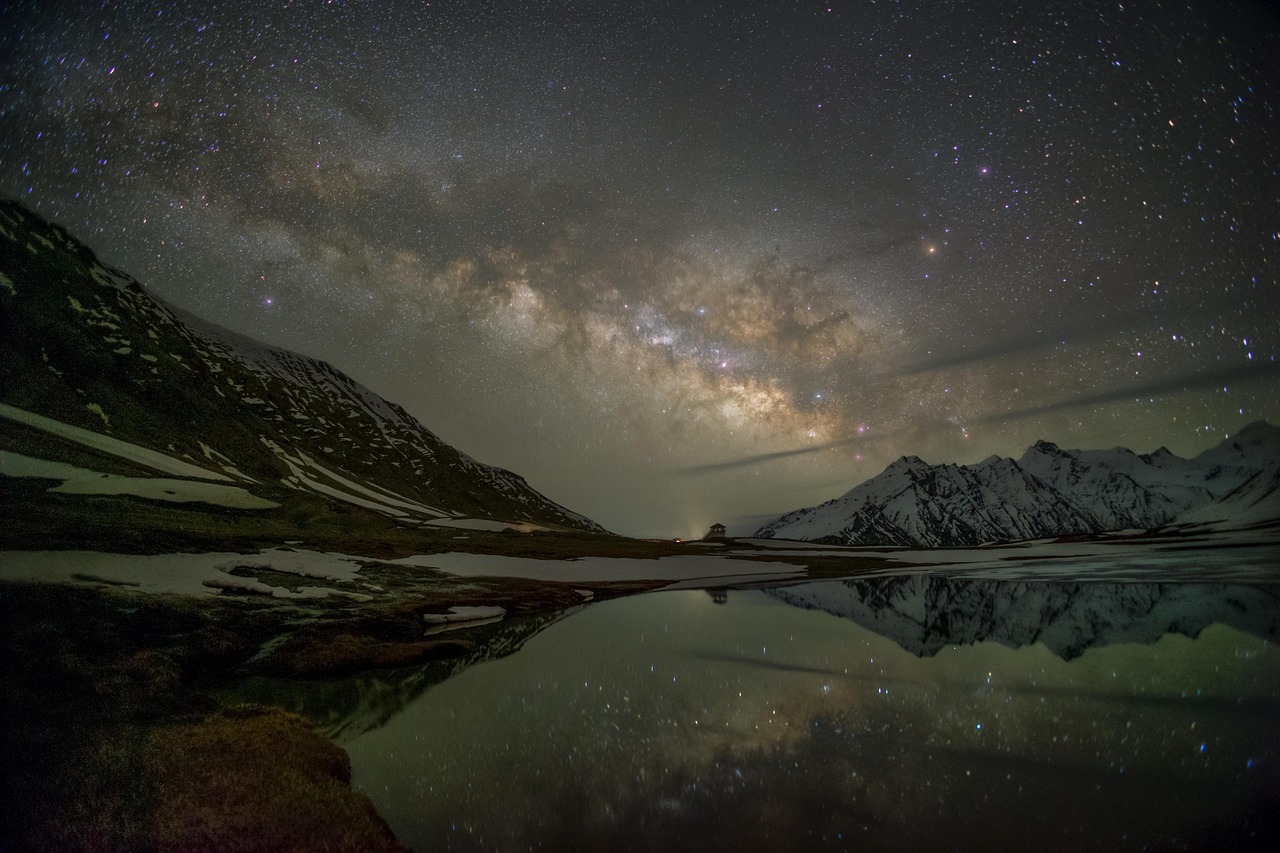
Tucked away near the Indo-China border, Hanle is a remote village that offers some of the clearest night skies in the world. Home to the Indian Astronomical Observatory—one of the world’s highest—Hanle is a haven for stargazers and astrophotographers. With minimal light pollution, the Milky Way seems almost within reach, and shooting stars are a common sight.
The tranquility of Hanle is unmatched, with just a few homestays, ancient monasteries, and a canvas of stars stretching endlessly above. It’s the kind of place that reminds you how small we are in the vast universe.
5. Discover the Moonland of Lamayuru
Lamayuru, often nicknamed the “Moonland” of Ladakh, is famed for its otherworldly terrain that resembles the surface of the moon. The strange formations and golden hues of its landscape create a dreamlike setting that’s both mysterious and beautiful.
Lamayuru is also home to one of the oldest monasteries in Ladakh, where you can witness traditional Buddhist ceremonies and admire ancient murals. Whether you take a short trek through nearby villages or simply soak in the surreal surroundings, Lamayuru offers a perfect blend of spirituality, nature, and wonder.
Experience Ladakh Through This Visual Journey
Before you dive into reading, watch this short video https://youtu.be/C1x1Vix17Y8 that brings Ladakh to life. From snow-capped mountains and crystal-clear lakes to remote monasteries and vibrant culture—this clip captures the true essence of Ladakh like words never can. Let the visuals transport you to this magical land!

Best time to visit
Ladakh transforms with the seasons, and choosing the best time to visit depends on what kind of experience you’re seeking. The most popular season is summer (May to September) when the weather is pleasant, roads are open, and almost all attractions are accessible. During this time, you can visit places like Pangong Lake, Nubra Valley, and Tso Moriri without worrying about roadblocks due to snow. It’s also the season for festivals—like the Hemis Festival and Ladakh Festival—where you can witness colorful dances, cultural performances, and local rituals.
If you’re a photography enthusiast or adventure seeker, this is the best time to trek, bike, or camp under the stars. The valleys bloom with wildflowers in June and July, adding a soft contrast to the rugged mountains.
On the other hand, winter (October to March) offers a completely different picture. Snow blankets the land, turning Ladakh into a white wonderland. Fewer tourists visit during this time, making it ideal for solitude and raw natural beauty. It’s also when Chadar Trek, the famous frozen river trek, takes place—offering a once-in-a-lifetime adventure. However, winter travel demands extra preparation due to sub-zero temperatures and limited accessibility.
Culture: What Makes It So Unique?
Nestled high in the Himalayas, Ladakh is not just a land of surreal landscapes, but also a place rich in culture, tradition, and spiritual heritage. Influenced by Tibetan Buddhism and centuries of isolation, Ladakhi culture remains deeply rooted in simplicity, sustainability, and spirituality.
Let’s explore what makes this culture so unique and unforgettable.
1. Tibetan Buddhist Influence
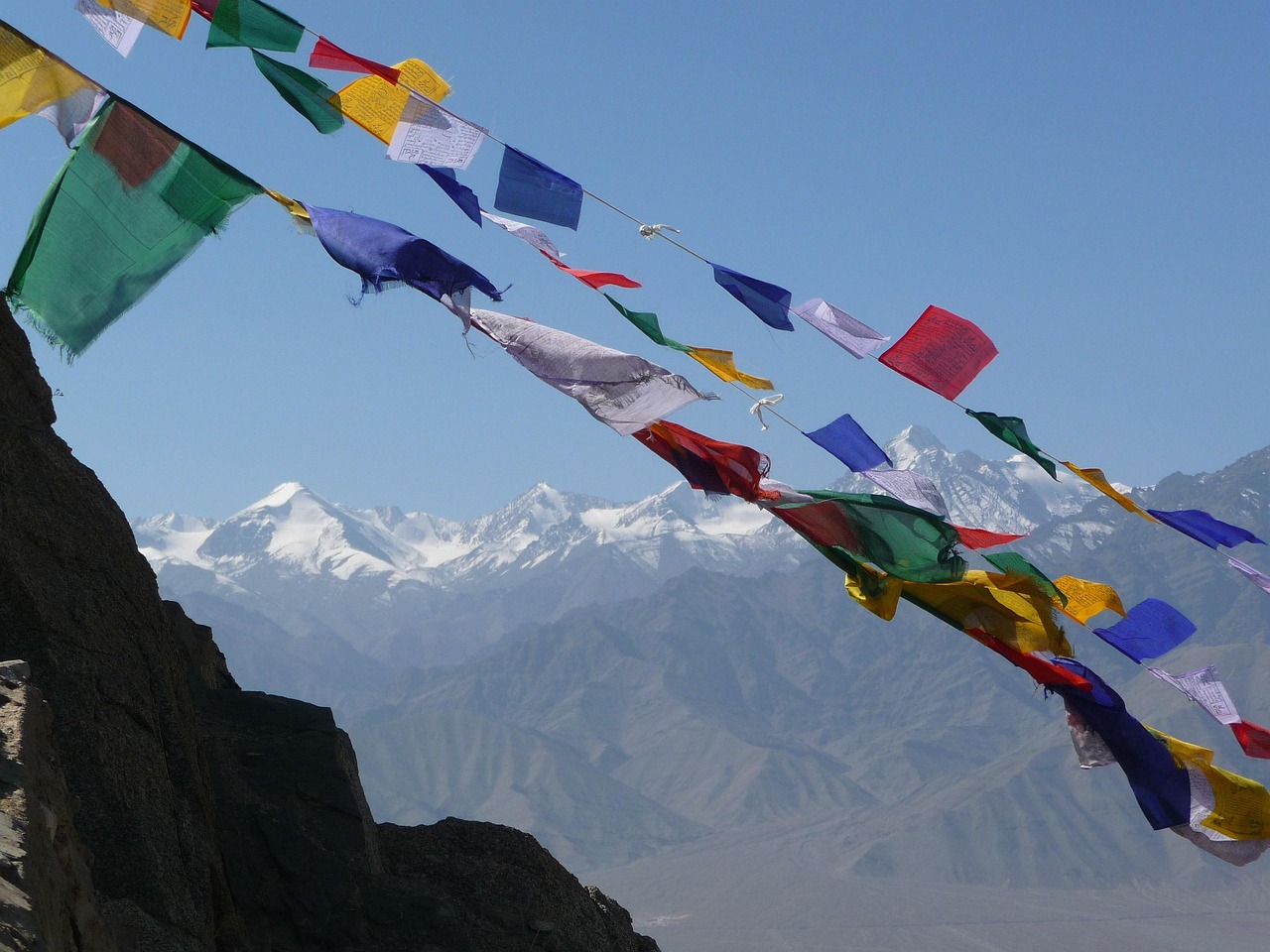
Ladakh is often called “Little Tibet,” and for good reason. Its monasteries, prayer wheels, and colorful flags speak volumes about the region’s Buddhist roots.
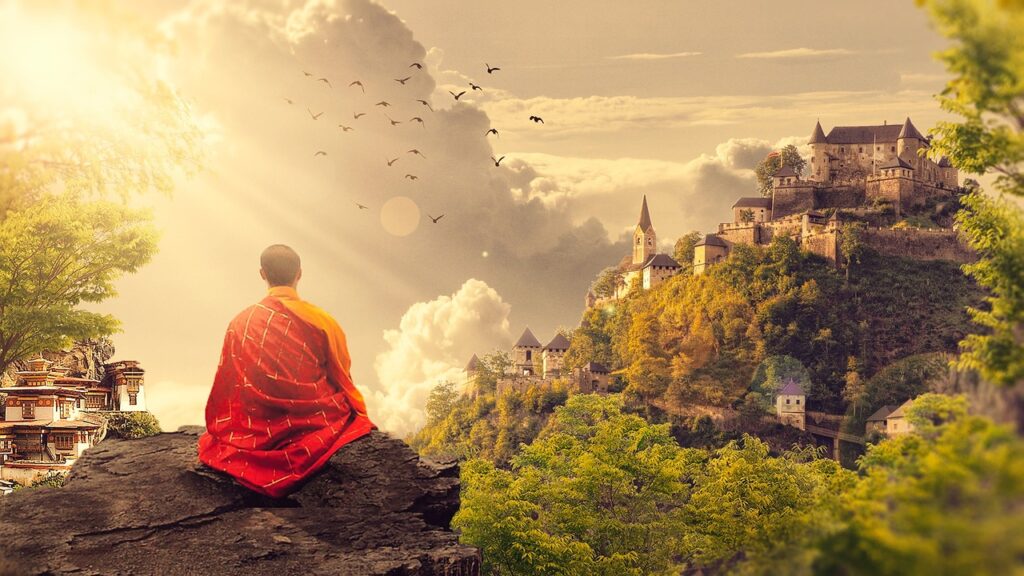
Monks in maroon robes chant morning prayers
Festivals like Hemis and Dosmoche celebrate ancient rituals and masked dances.
2. Traditional Attire
Ladakhi people proudly wear traditional clothing suited for the harsh climate. The women wear a ‘Perak’ (headgear decorated with turquoise stones), while men wear thick woolen robes called ‘Gonchas’.
3. Warm & Community-Driven Lifestyle
Life in Ladakh is community-focused. Villagers share resources and help each other in farming and festivals. Hospitality is deeply embedded in their values—guests are always served butter tea and local snacks.
4. Architecture & Homes
Ladakhi homes are built from mud bricks and stones with flat roofs. Many houses have prayer rooms and are solar-friendly, showing how closely Ladakhis live in harmony with nature.
5. Language and Songs
While Ladakhi is the main language, many also speak Hindi and Tibetan. Folk songs and dances are an important part of every celebration—used to pass stories and values through generations.
6. Sustainable Way of Living
From food to farming, Ladakhis have followed a sustainable way of life for centuries. They grow barley, peas, and apricots, store water through ice stupas, and use solar energy for cooking and heating.
Conclusion
Ladakhi culture is a blend of spiritual depth, traditional wisdom, and modern sustainability. It teaches us the value of living in harmony with nature and community. Whether it’s through their festivals, dress, or architecture, the soul of Ladakh is reflected in its people and their peaceful way of life.